NEWS
JANUARY 12 – CHALLENGING THE WEATHER
The 3G9S expedition to Navarino Island experienced one of its most demanding days today, marked by extreme weather conditions and technical challenges that tested both the equipment and the spirit of the expedition members.
Even so, the will to persevere proved stronger. With patience, teamwork, and a deep passion for radio, the operators overcame the technical difficulties throughout the afternoon and evening, allowing 3G9S to return to the airwaves in full force on the 10, 15, 20, and 40-meter bands, as well as the WARC bands.
JANUARY 11 – UPDATE
January 11, 2026, will forever be etched in the memory of an intense and exciting day for the Navarino Island Expedition – 3G9S. It was a day where propagation presented significant challenges on several bands, with variable conditions that demanded patience, technical skill, and a great deal of perseverance. However, as is often the case in amateur radio, the magic of the waves once again surprised us.
From the southern tip of the world, 3G9S continues calling and waiting for all radio amateurs who want to add this unique point to their log.
JANUARY 12 – CHALLENGING THE WEATHER
The 3G9S expedition to Navarino Island experienced one of its most demanding days today, marked by extreme weather conditions and technical challenges that tested both the equipment and the spirit of the expedition members.
Even so, the will to persevere proved stronger. With patience, teamwork, and a deep passion for radio, the operators overcame the technical difficulties throughout the afternoon and evening, allowing 3G9S to return to the airwaves in full force on the 10, 15, 20, and 40-meter bands, as well as the WARC bands.
JANUARY 11 – UPDATE
January 11, 2026, will forever be etched in the memory of an intense and exciting day for the Navarino Island Expedition – 3G9S. It was a day where propagation presented significant challenges on several bands, with variable conditions that demanded patience, technical skill, and a great deal of perseverance. However, as is often the case in amateur radio, the magic of the waves once again surprised us.
From the southern tip of the world, 3G9S continues calling and waiting for all radio amateurs who want to add this unique point to their log.
JANUARY 12 – CHALLENGING THE WEATHER
The 3G9S expedition to Navarino Island experienced one of its most demanding days today, marked by extreme weather conditions and technical challenges that tested both the equipment and the spirit of the expedition members.
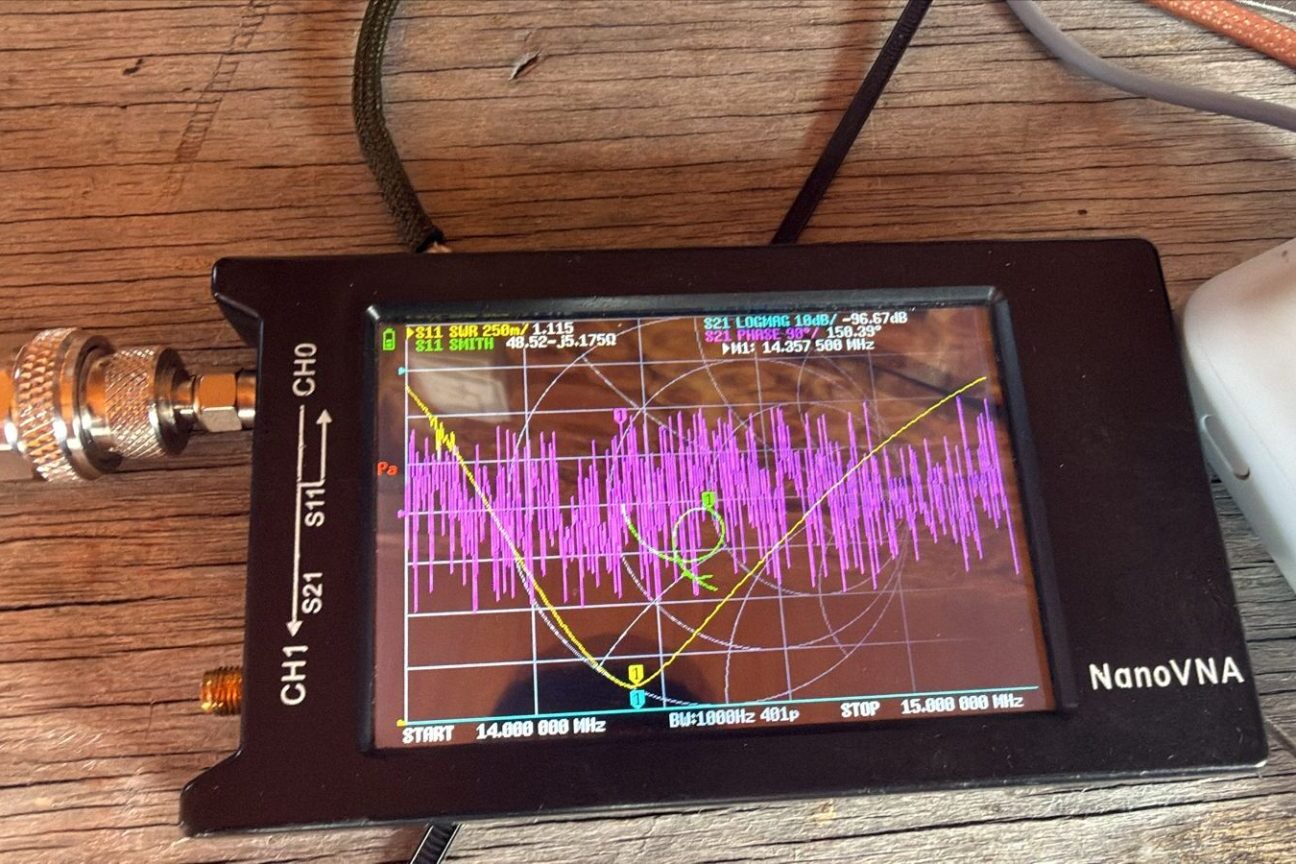
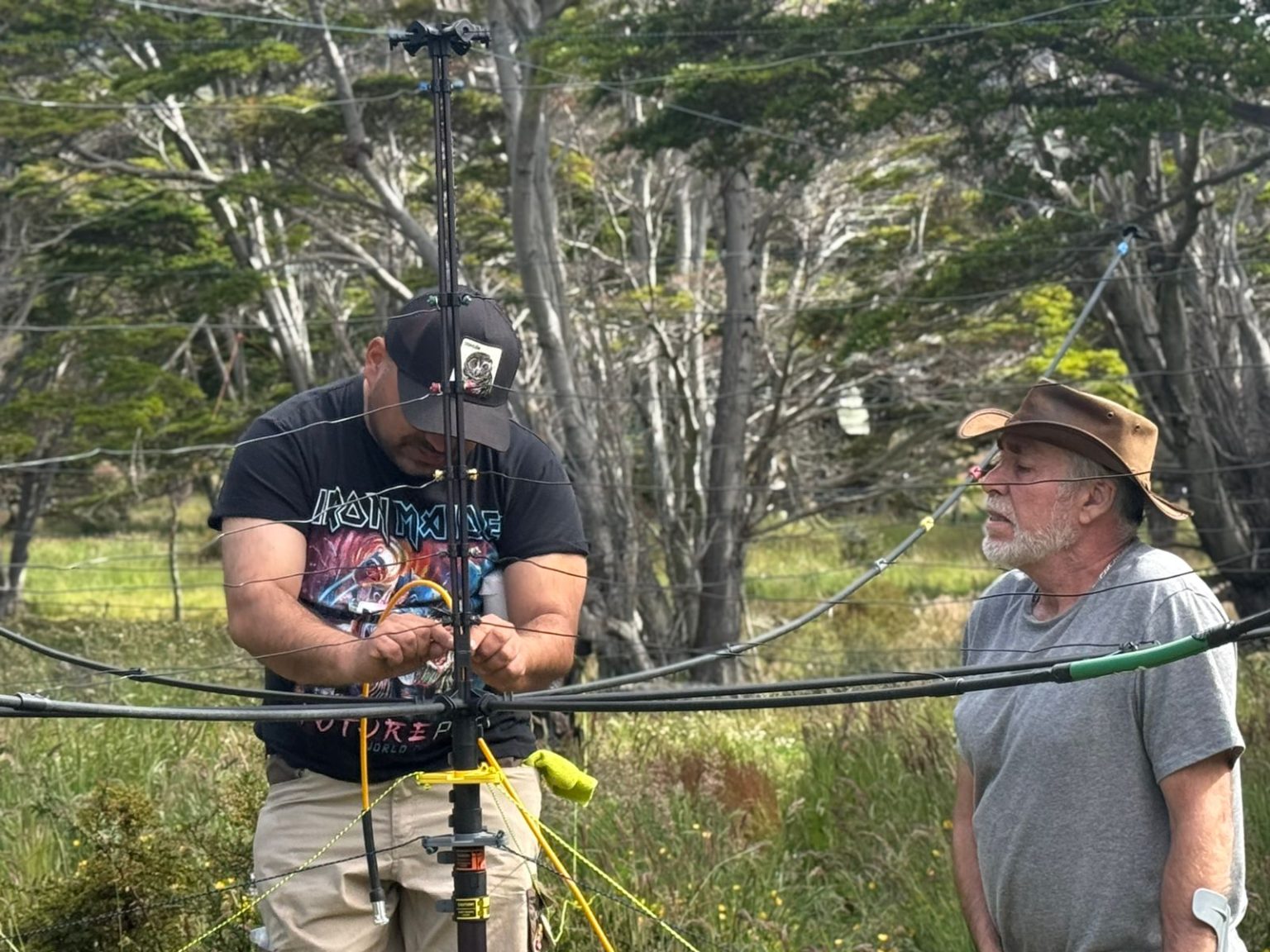
During the day, serious problems arose with the main antennas, evidenced by high SWR readings, forcing the team to lower the antennas and carefully check coaxial cables and connections. The persistent rain and strong winds offered no respite, transforming every task in the field into a true battle against the Patagonian wilderness.
Even so, the will to persevere proved stronger. With patience, teamwork, and a deep passion for radio, the operators overcame the technical difficulties throughout the afternoon and evening, allowing 3G9S to return to the airwaves in full force on the 10, 15, 20, and 40-meter bands, as well as the WARC bands.
But the biggest story of the day features the humblest antenna of the entire expedition: a 40-meter wire dipole, installed no more than 2 meters high, with its tips practically touching the ground. This simple and rudimentary antenna has become the expedition’s true workhorse, managing to circle the globe and establish contacts with amateur radio operators in numerous regions, all eager to hunt down Navarino Island, one of the southernmost places on the planet.
JANUARY 11 – UPDATE
January 11, 2026, will forever be etched in the memory of an intense and exciting day for the Navarino Island Expedition – 3G9S. It was a day where propagation presented significant challenges on several bands, with variable conditions that demanded patience, technical skill, and a great deal of perseverance. However, as is often the case in amateur radio, the magic of the waves once again surprised us.
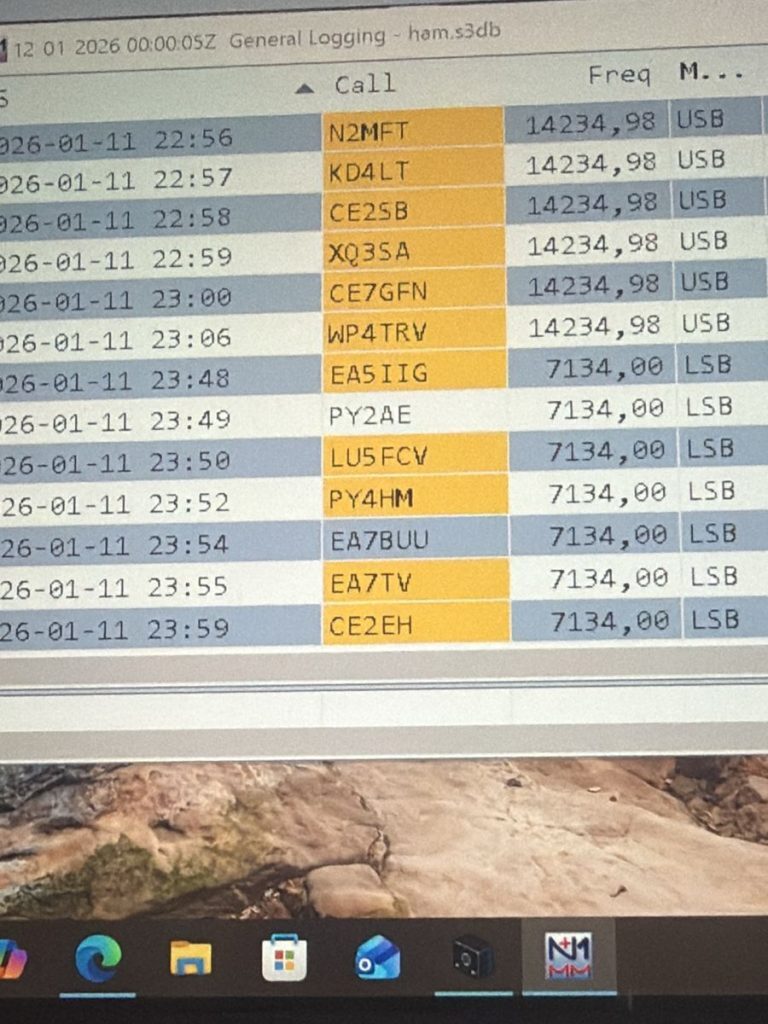
During the day, an extraordinary window opened on the 40-meter band, allowing for an impressive flow of contacts. From the remote and southern Navarino Island, station 3G9S, operating with a vertical antenna, began to be heard strongly throughout Chile. Stations from Zone 1 (Copiapó), Zone 2, Zone 3, and further south reached out to meet the expedition and prepared their radios to contact the island, delivering excellent signal reports, which confirmed that propagation was remarkably favorable on this band.
The excitement was palpable. Many Chilean amateur radio operators expressed their joy and pride at making contact with Navarino Island, one of the southernmost inhabited places on Earth. For many, it was a unique opportunity: a direct connection to a remote corner of Chile, steeped in history, challenge, and a passion for radio.
But the magic didn’t end there. The opening on 40 meters crossed oceans and continents. EA stations from Spain, France, and Brazil began appearing on the dial, demonstrating that 3G9S’s call was being heard even from the Old World—a true gift for DXers and the expedition.
Later that evening on Navarino Island, the action shifted to the 20-meter band, where the «game» reignited. Signals began arriving from the United States, Central America, and other corners of the continent, further expanding the expedition’s reach and solidifying 3G9S as one of the most sought-after call signs at the moment.
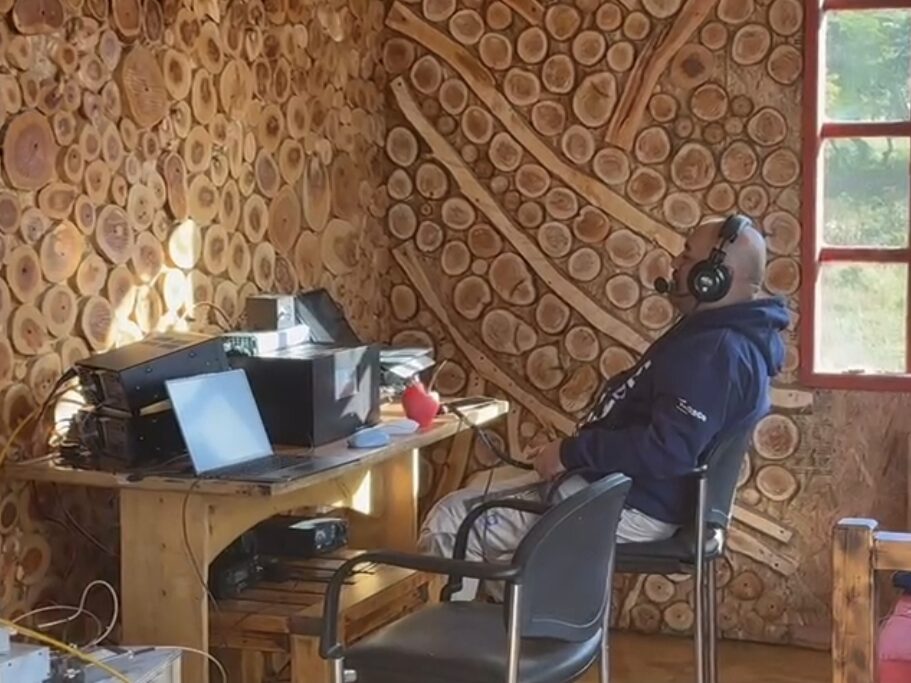
From the southern tip of the world, 3G9S continues calling and waiting for all radio amateurs who want to add this unique point to their log.
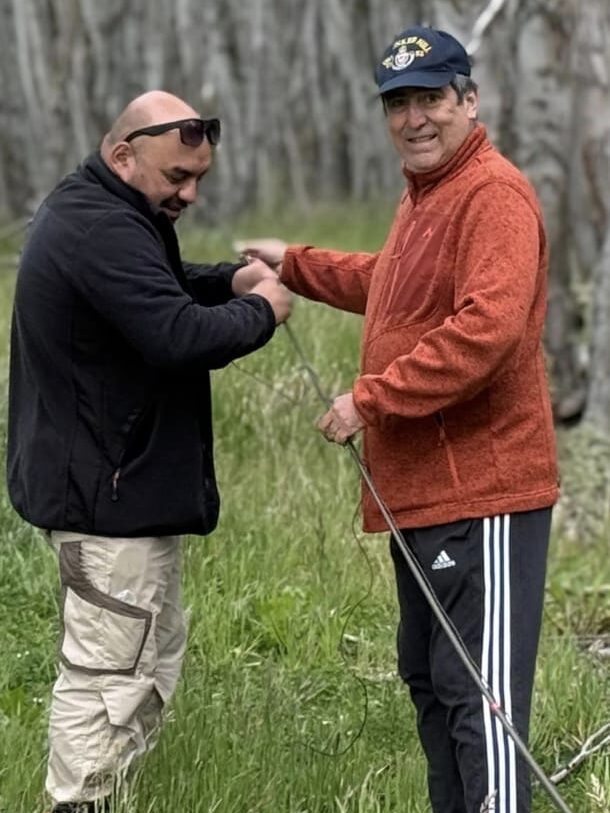
A CD8 Fallen from the Sky on the Expedition
The 3G9S expedition to Navarino Island has been, to this day, a true story of effort, passion, and success. Since our arrival on January 10, 2026, all conditions have been favorable for this DX activation, achieving a large number of contacts worldwide on multiple bands and modes. We still have several days of operation ahead of us, as the expedition will continue until January 17, so we remain fully active from this unique southern region of the planet.
As with any great expedition, we have also faced challenges. One of the most significant was a broken antenna, a situation that could have jeopardized part of the operation. However, thanks to teamwork, motivation, and the desire to make this adventure a success, the problem was successfully overcome with a quick on-site repair.
Amid these difficulties, what we now call a true «CD8 fallen from the sky» appeared: Francisco Evans, CD8EHQ, amateur radio operator and resident of Navarino Island. Their help has been key to the expedition, especially in raising antennas, one of the biggest challenges in this area, where strong gusts of wind test every installation.
His arrival was so timely that many consider it almost providential. Furthermore, it has generated a curious anecdote: due to his geographical location on Navarino Island, his call sign should be CD9EHQ, which has caused confusion among operators worldwide. This detail will be corrected in due course.
Francisco has also been surprised by the enormous number of QSOs achieved globally, demonstrating the great interest this remote southern region generates within the international DX community.
The 3G9S expedition remains active, and there are still days left to achieve that long-awaited contact from Navarino Island. We invite all radio amateurs to continue calling and be part of this historic activation.
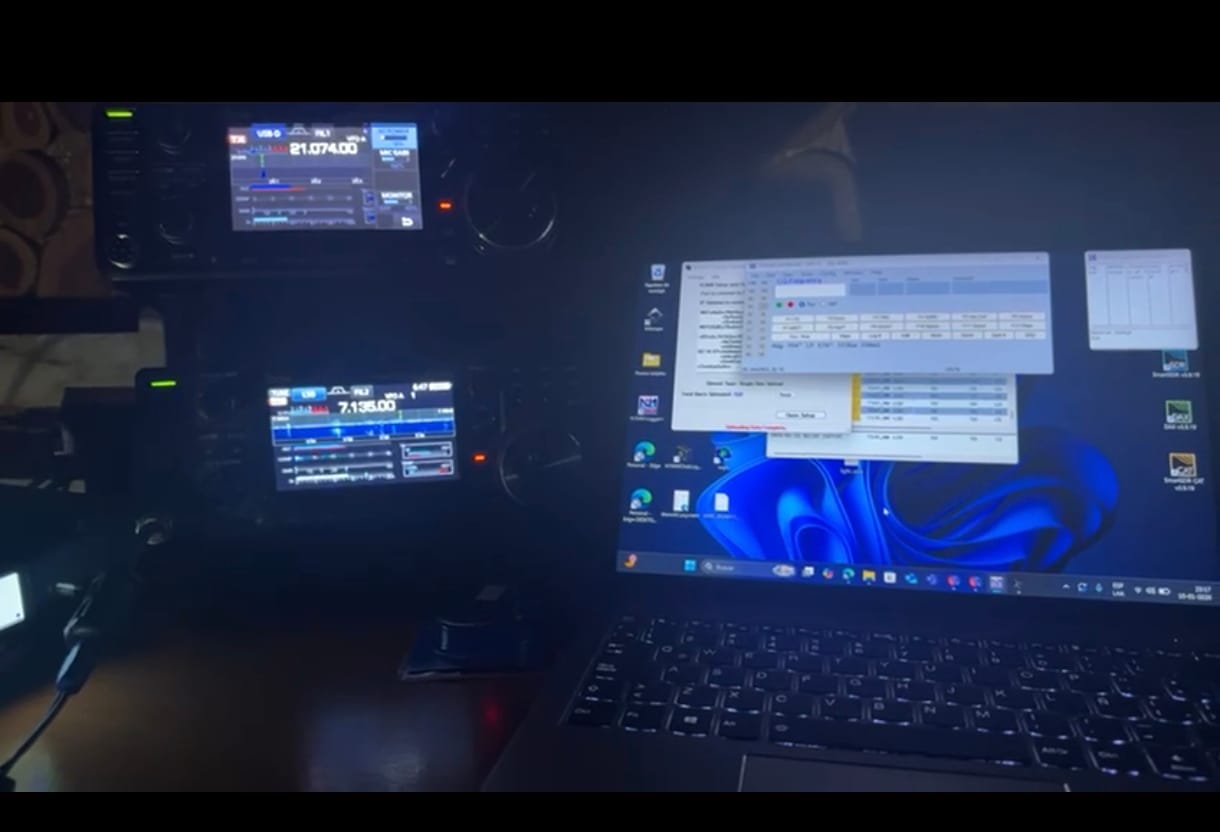
JANUARY 10 – UPDATE
APRS technology has once again proven to be a cornerstone of the amateur radio world, and on this expedition to Navarino Island, it demonstrated its full value.
During the journey, APRS not only allowed us to pinpoint the location of the equipment but also provided unforgettable surprises. In Ushuaia, we encountered the «sibling» of the APRS system: LoRa APRS, a technology that further expands the possibilities for coverage and experimentation, demonstrating how innovation and amateur radio advance hand in hand, even in the southernmost regions of the planet.
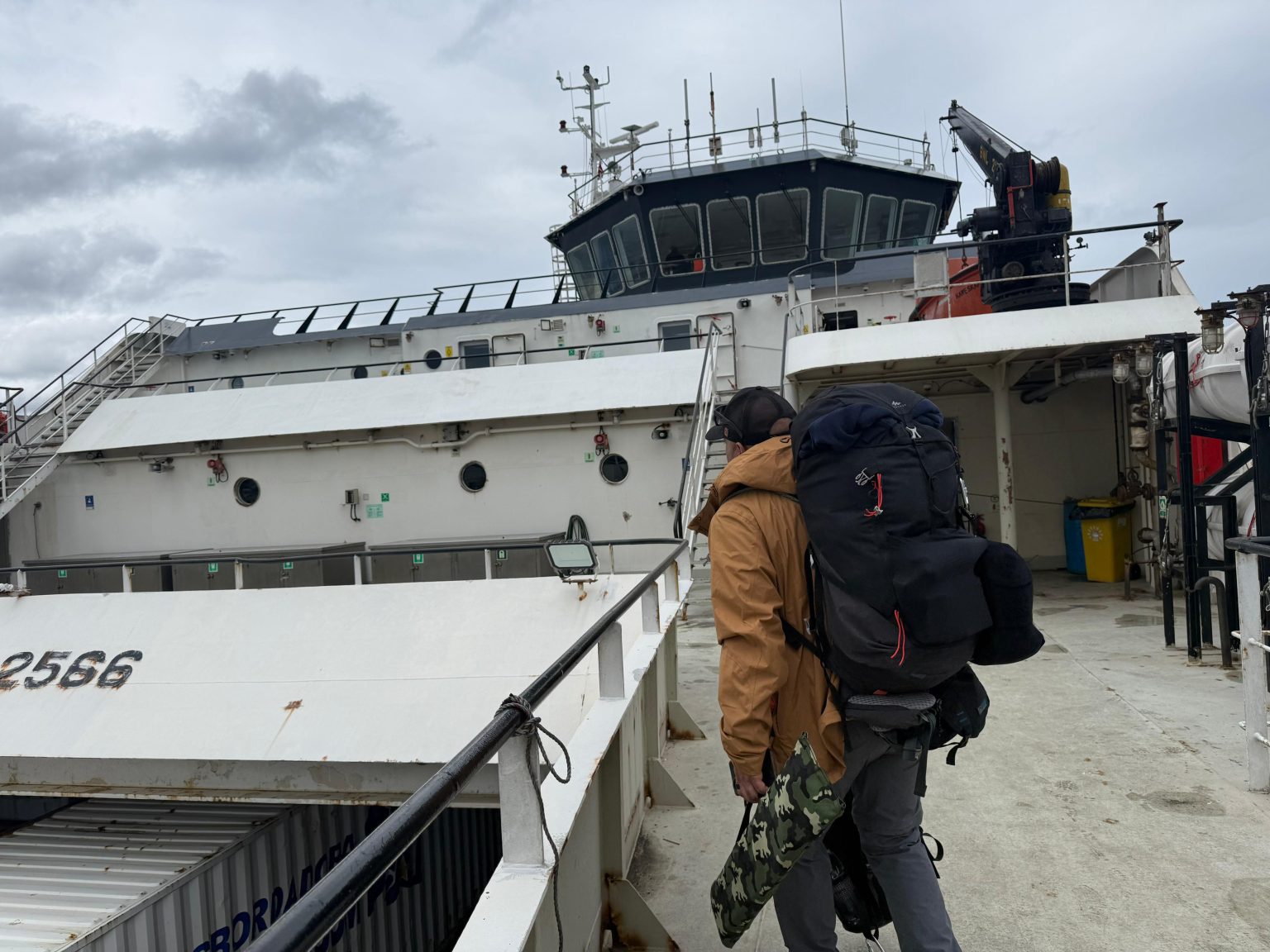
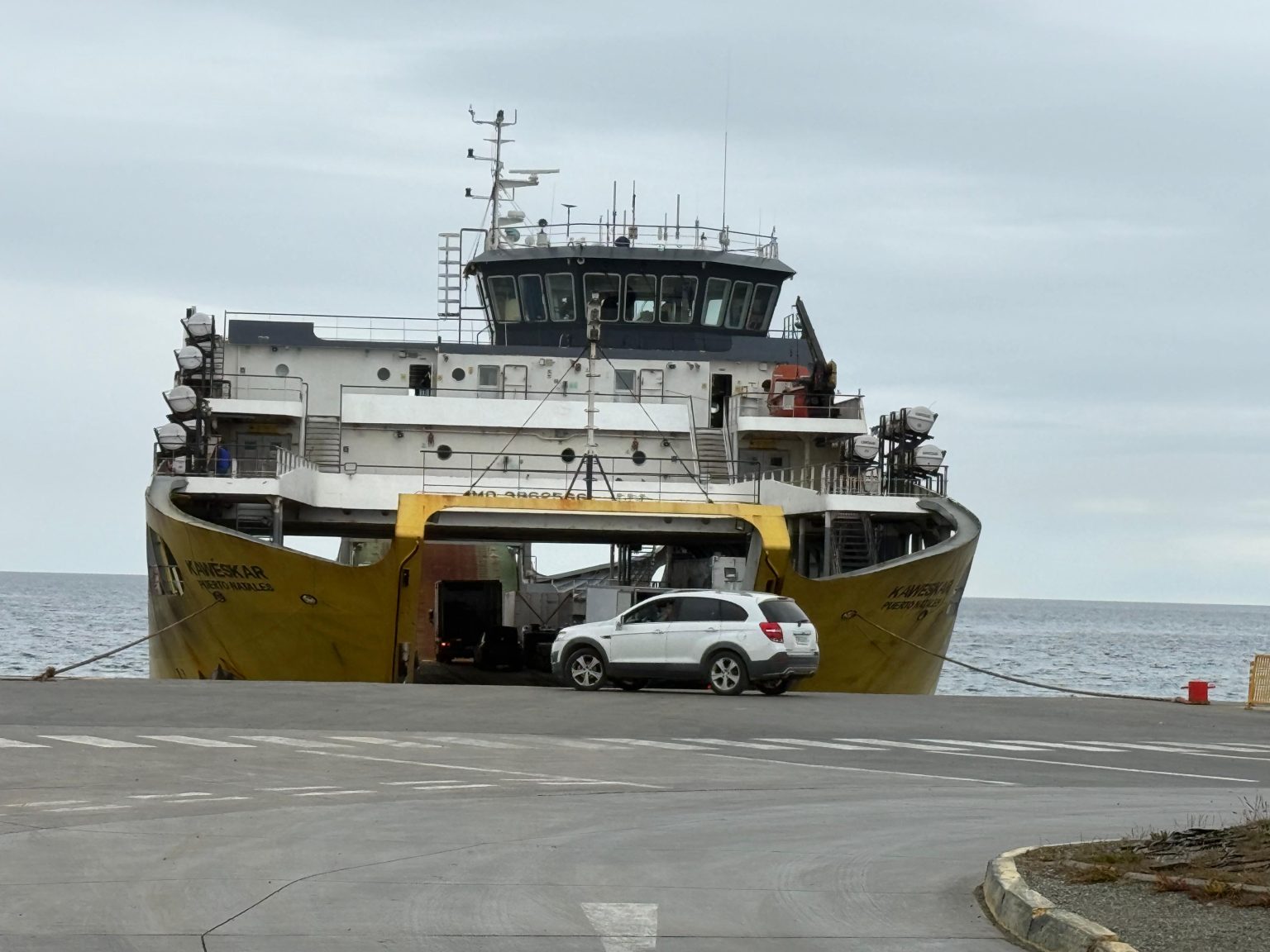
This tracking hasn’t been solely technical. Through photographs taken during the journey, we’ve been able to identify and enjoy unique and spectacular landscapes, confirming that this hobby connects not only radios and signals, but also people, territories, and emotions. Amateur radio allows us to experience and share real adventures, where technology blends with nature and the spirit of exploration.
We invite the entire community to follow the team’s journey on aprs.fi, using the call sign 3G9S-8, and to be an active part of this voyage. Every tracking, every message, and every expression of support strengthens the work of the Juncal DX team on this important expedition to Navarino Island.
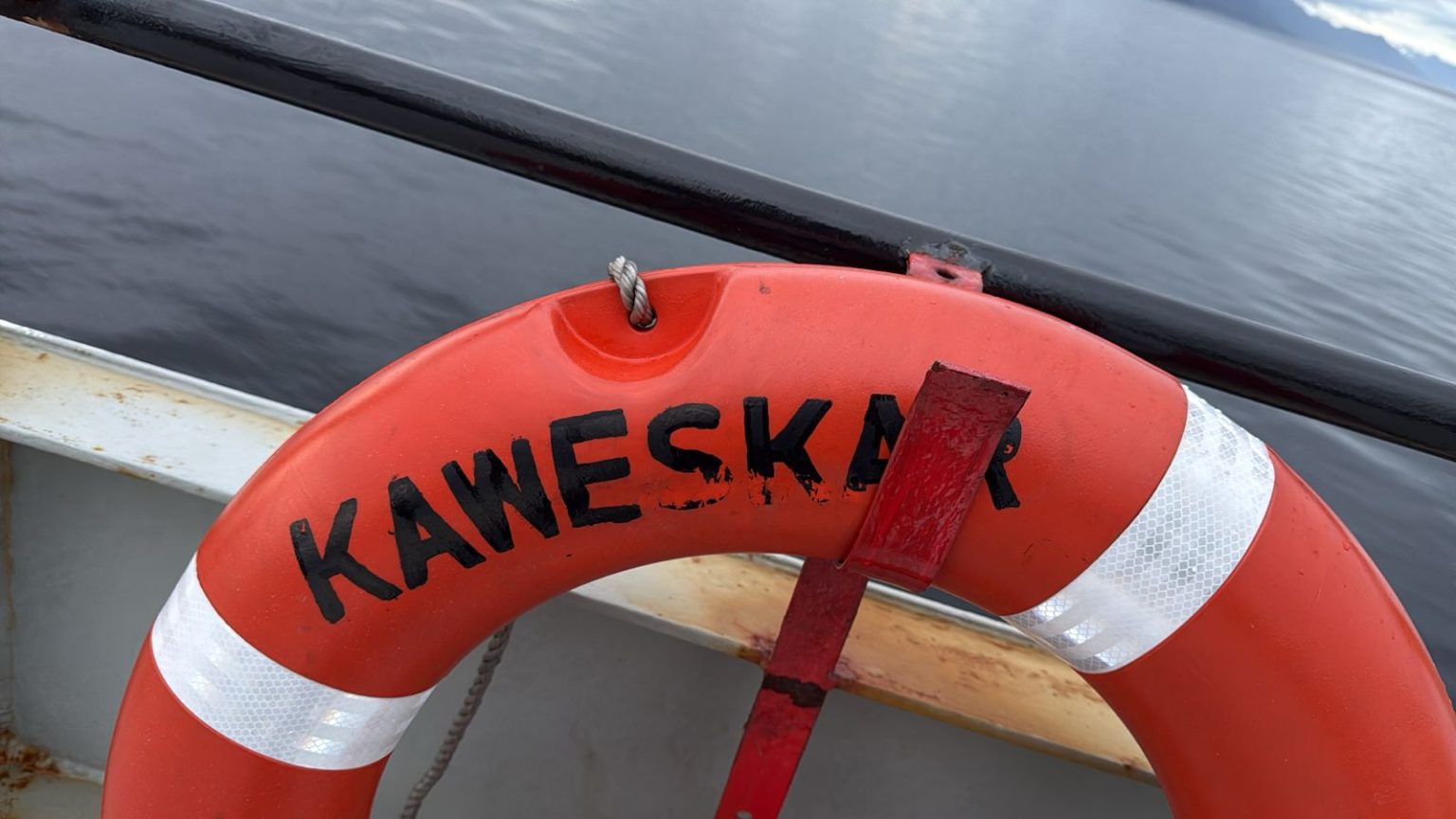
JANUARY 08 – UPDATE
The 3G9S team is already on board the «Kaweskar» ferry, waiting to set sail towards our destination: Navarino Island
The flight from Santiago to Punta Arenas had no delays, and all our luggage arrived safely (we hope the contents are intact). The hostel in Punta Arenas was very comfortable, and the hosts treated us wonderfully.
We managed to buy what we were missing, mainly oil for our generator and a few small items. We tried a quick communication test with our JPC-7 antenna, but realized the tuning coil was missing. During the pre-flight inspection in Santiago, the police asked us to manually check the antenna we carried in our hand luggage (since it has parts that may be considered unsuitable for flying), and unfortunately, the coil piece was left behind at the Santiago airport. A pity, but we move forward.
At night, we met with Rodrigo CE8WDB, with whom we shared many radio amateur anecdotes. We thank him very much for his support.
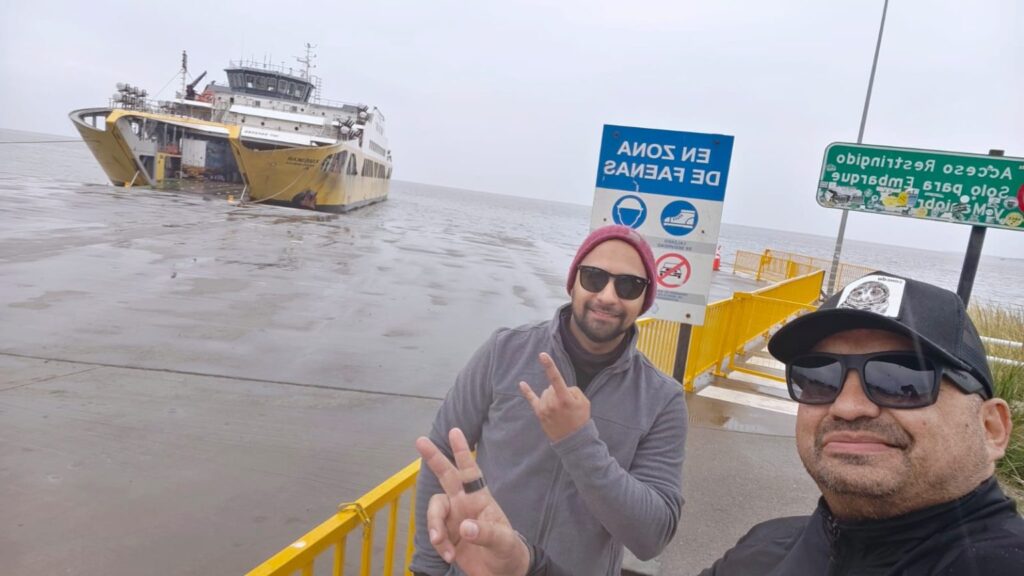
DECEMBER 22 – UPDATE
We’re just a few days away from our little project, and there’s still a lot to do. We’ve acquired a small 2kW inverter generator and hope we won’t have any problems with air transport. We’ve decided to build the line filter according to the GM3SEK model, for which we already have all the materials, including the ferrites purchased from Mouser. We plan to assemble it during the last week of December.
We’ve also built an end-fed antenna with a 1:64 balun for 80 meters, which we won’t be able to test before traveling, but we believe it will work.
We haven’t been able to activate our Starlink Mini due to the high cost and demand where we live, so we’ll activate it upon arrival on the island (we need to keep costs as low as possible).

We received a donation of high-quality thermal clothing from Cristian’s employer, for which we are very grateful. We’ve been checking the weather forecast, and we’re expecting temperatures between 3° and 10°C with a 90% chance of rain (it looks like we’re going to get wet) and winds of around 15 km/h. We hope our ferry trip will be pleasant. Both Cristian and Miguel are currently on their respective shifts at their mining jobs, so we’ll only have a few days to finish everything, pack our gear, and begin the long journey to Navarino Island.
Send your best wishes, and we also want to wish you a very Merry Christmas with your families.

OCTOBER 26 – UPDATE
After dedicating ourselves to our jobs to get some time for our expedition, we’ve resumed preparations for the small activity at 3G9S. We already have our plane tickets from Santiago to Punta Arenas and the ferry transfer to Navarino Island.
Cristian CE2GT and Rafael CE2YWW (who has already obtained his new callsign CE2) have participated in the CQWW for a few moments now.
We already have the DXWorld-e 500W amplifier, and our Flex 8400 has also arrived, which we hope to configure so it can be used by radio amateurs around the world remotely. We still need to learn the configuration through Starlink, a new challenge.
Soon we’ll be setting up and testing our main antennas, a BuddyHex and a DXCommander Expedition. We hope to manage to build a couple of wire antennas for the 30 and 80-meter bands.
Being just two radio amateurs on the island, it will be a challenge to set up all the bands in a short time, but but we’ll give it our best shot, and we’ll also try to build a line filter to keep the generator noise down.
We’re hoping to test all our setup by the end of November or early December.
JULY 28 – UPDATE
The meeting point is the city of Punta Arenas, Chile from where a ferry departs to the city of Puerto Williams (approximately a 32-hour journey). The transportation company is called Tabsa and publishes the definite dates and times of departure 6 months in advance, so by the first week of August, the final date should be available. If they maintain what is scheduled until December, the probable departures are on January 1 or January 5. The ferry returns to the city of Punta Arenas 7 days later. (10 days in total of the trip to carry out the activity)
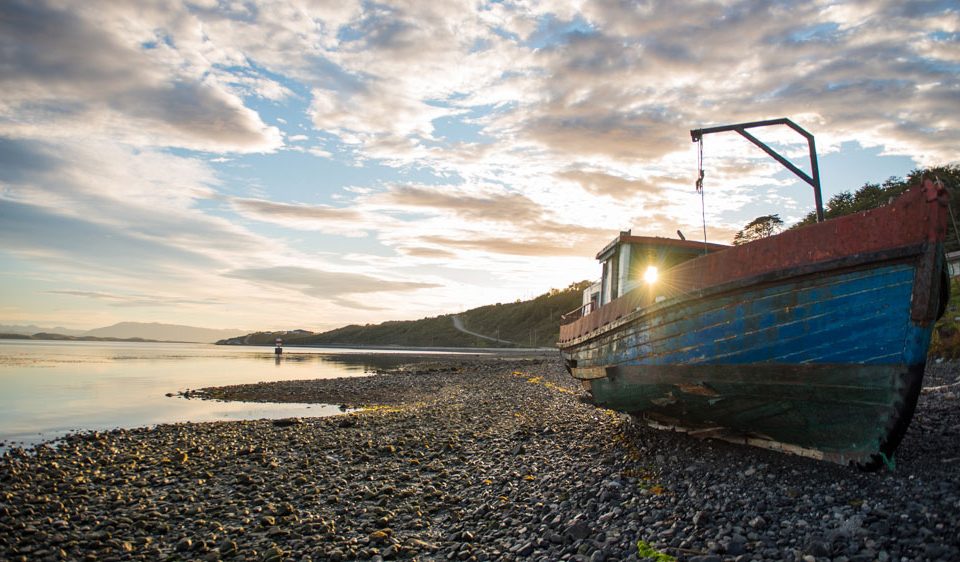
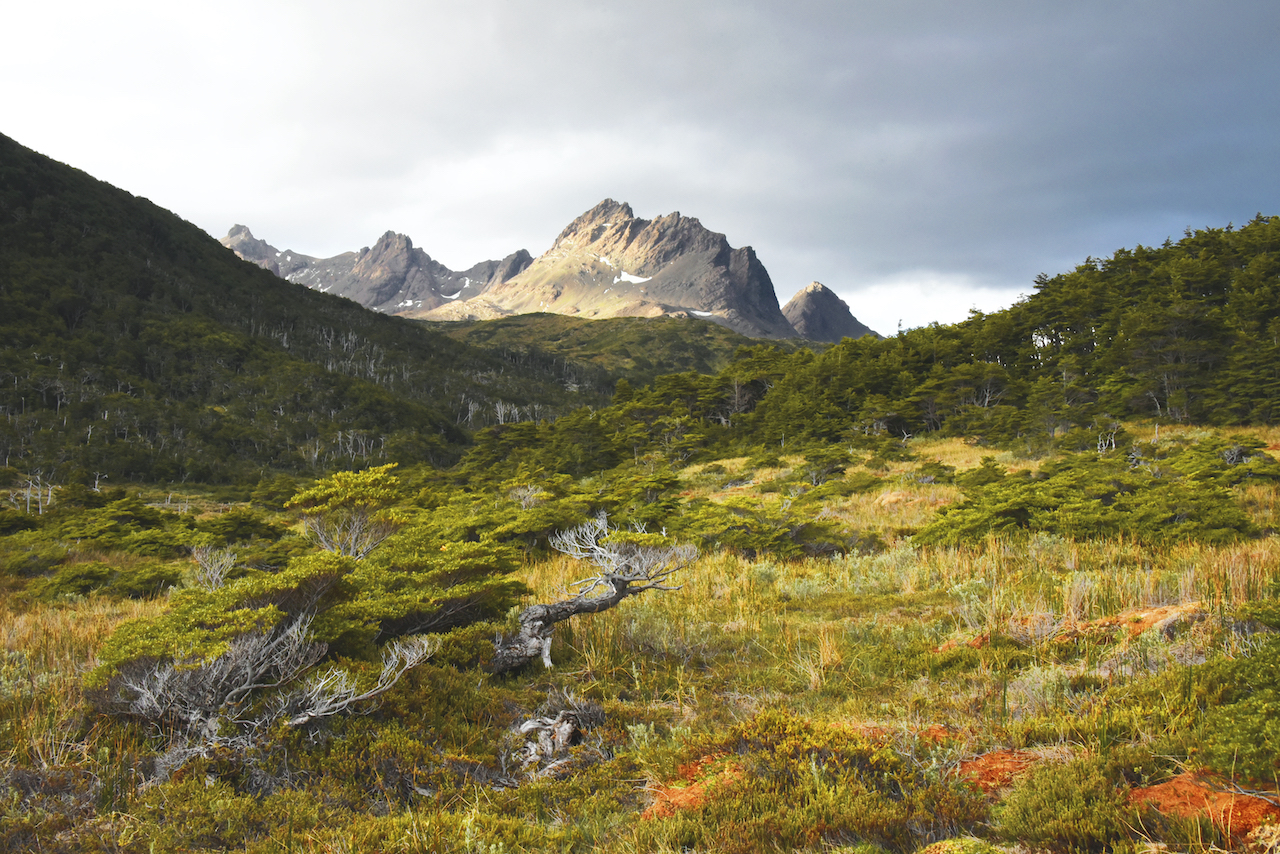
JUNE 22
The friends of JuncalDX from the Aconcagua Valley, eager to enjoy amateur radio, participate in and organize various amateur radio activities, such as the 3rd Chilean DX Congress and participation in international contests like CQWW or CQWPX, POTA activations, lighthouses, and others.
CB9N, XR9N and 3G9S will be the special callsigns that will be part of the expedition to the Chilean Antarctic Province CE9 on Isla Navarino, taking place during the first half of January 2026. Info as follows:
— QTH: IOTA SA-050, Navarino Island, Chile (Provincia Antártica Chilena, CE9 Zone).
— Callsigns: 3G9S valid for all programs (IOTA, POTA, WWFF), CB9N (Only Remote Operation, only valid for CE zone), XR9N (For the trip)
— Operators: “Pelao” Miguel CE2PM, “Cris” Garcia CE2GT
— Dates, first half of January 2026 (confirmed soon).
— Rig: 3x ICOM 7300, 1x ICOM 705.
— Power: 100W.
— Antennas: 1 x Buddihex, 1 x Hexbeam NA4RR, 1 x DX Commander Expedition.
— Bands: 40-6 (80-160 will be confirmed soon).
— Modes: SSB, FT8 & CW.
— QSL detail: DIRECT OQRS.
ENGLISH NEWS

NOTICIAS EN ESPAÑOL